
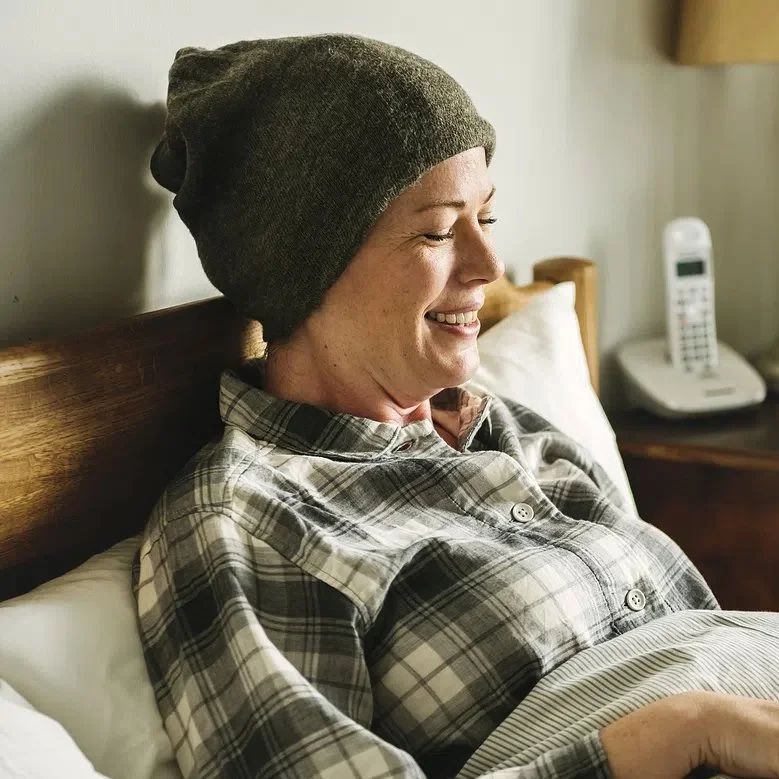
Cancer Recovery
our Cancer Recovery Program for patients in every stage of cancer diagnosis, treatment, and recovery.
How physiotherapy can help:
There is growing research to support both physiotherapy and exercise interventions in patients experiencing cancer. Helping patients recover more quickly, feel supported in their community, and stay more active results in decreased fatigue, improved mental health, quicker recovery, and decreased chronic disability.
We have heard repeatedly from our cancer patients that they have found the expertise, support, treatment, and exercise that they have received at Comox Physiotherapy Clinic to be invaluable to them in their cancer journey. From preparing for surgery, managing through difficult adjuvant treatments, returning to work and support in end stage disease, physiotherapy and exercise therapy have an important role to play.
Our physiotherapists offer evidence-based, individualized support at any time along the cancer journey. This includes:
At diagnosis
Before, during and after treatments including surgery, chemotherapy, radiation, immunotherapy and hormone replacement therapy
The transition back to work, school, activities of daily life, and activities that bring you joy!
Our team recognizes that each individual’s experience is unique, and we aim to provide a whole-person approach to your care. We work in tandem with your medical treatments and providers to help optimize your recovery, reduce symptom and side effect burden, and support your overall quality of life.
Cancer-related symptoms and side effects that physiotherapy can support:
Joint stiffness and pain
Joint stiffness and pain may occur as a result of oncology treatment of surgery. The joint(s) affected are unique to each individual, the location of their cancer, and their treatment plan. Physiotherapy can help reduce joint stiffness and pain via specific exercise recommendations and manual therapy including joint mobilizations and soft tissue techniques.
Nausea
Some folks may experience nausea as a side effect to oncology treatment. Physiotherapy interventions, such as individualized exercise programs, can support reducing nausea alongside anti-nausea medications your medical team may prescribe.
Treatment-induced menopause
Treatment-induced menopause may result from an oophorectomy (removal of the ovaries). Our physiotherapists can help support clients as they navigate the hormonal shift and associated symptoms using a range of strategies including education, exercise (such as strength training to support bone health), and manual therapy. Both oncology physiotherapists at our clinic are also pelvic health physiotherapists, and can support changes or concerns regarding this area.
Peripheral neuropathy (tingling in hands and/or feet)
Peripheral neuropathy is tingling, numbness, and/or pain in the hands and feet that may result due to nerve damage from chemotherapy treatment (also known as CIPN or chemotherapy-induced peripheral neuropathy). While physiotherapy is not shown to reduce or reverse the peripheral neuropathy, our team can help clients manage symptoms. For the lower body, this may look like balance exercises to reduce falls risk and improve mobility. For the upper body, this often includes fine motor exercises to support daily tasks such as writing, doing up buttons, and handling cutlery.
Decreased strength, balance and cardiovascular function
Decreased strength, balance and cardiovascular function may result from a myriad of different cancer diagnoses and treatments. There is growing research that supports exercise intervention for cancer patients to help reduce this decline. The 2018 ACSM Roundtable recommendations (Med Sci Sport Ex, Nov 2019) supported that exercise training was generally safe for cancer survivors and that patients should avoid inactivity. Further, specific doses of aerobic, resistance and combined training could improve common cancer-related outcomes.
Fatigue
Cancer-related fatigue is a common burden to cancer diagnosis and treatment. As outlined in the Exercise Guidelines for Cancer Survivors: Consensus Statement from International Multidisciplinary Roundtable published in 2019, there is strong evidence to support participation in aerobic and resistance activity to help manage cancer-related fatigue. Physiotherapy can also support pacing and understanding how to adapt your daily activities to optimize energy management.
Axillary cording
Axillary cording occurs due to the disruption of lymphatic vessels from surgery in the armpit/breast/upper arm region. It may appear like a “guitar string” that runs from the armpit down the arm, sometimes beyond the elbow to the wrist. The cording may feel hard and firm, and cause pain with certain arm movements. Specific manual therapy treatment can help resolve cording and the associated symptoms.
Lymphedema
Surgical procedures like lymph node biopsies or dissections and scarring from radiation, disrupts the ability of the lymphatic system to return fluid from the extremities back to the vascular system. This can cause chronic swelling, tightness and heaviness in an arm, leg, genital area or abdomen. It can appear years after the original surgery and is best treated using Complete Decongestive Therapy. Your physiotherapist can help you learn important risk reduction strategies. To learn more, click here.
Scar adhesions and pain
After a surgery, the body helps heal by laying scar tissue down around the area of an incision. While this is a normal and helpful process, sometimes the scar tissue can cause adhesions (joining two surfaces together that are usually separate) and pain. Physiotherapy treatment for scar adhesions and pain includes scar-massage techniques. Our physiotherapists offer scar massage in-clinic, and can teach clients how to do this technique on their own at home.
Surgical complications
Similar to surgeries completed for other injuries and illnesses, there is a risk of complications with oncology surgeries. Our physiotherapists have undergone extensive education to understand and treat surgical complications that may occur, as well as recognize symptoms that are best treated by the client’s medical team. With the client’s consent, our physiotherapists can communicate directly with your medical team to optimize care.
Radiation fibrosis
Radiation is a localized cancer treatment from outside (external beam) or inside (brachytherapy and intraoperative) the body. Early effects of radiation treatment may include redness, warmth, pain, inflammation, hair loss, and fatigue. Radiation fibrosis is typically a late effect (3 months - 2 years). Radiation fibrosis is the adherence of tissue layers in the area of radiation treatment and may result in decline of movement, stiffness and pain. Physiotherapy can help via specific manual therapy techniques, stretches and mobility exercises to help gently loosen the tissues.
Please note that it is recommended to wait 6 weeks after radiation treatment for manual therapy care to give the skin an appropriate amount of time to heal.
CAncer Recovery Physiotherapy TREATMENTS:
The following are examples of common treatment offerings for our cancer recovery patients. Each treatment is tailored for your needs and may not include each of these offerings at every appointment.
Education:
Understanding your diagnosis and treatment plan
What to expect and how to prepare for surgery, chemotherapy, radiation and other treatments
What exercise and activities are appropriate for you to engage in
Self-management tools such as scar massage, nervous system regulation, and pacing strategies for cancer-related fatigue
Exercise:
Pre and post-operative range of motion, flexibility and strength exercise specific to your surgical plan
Aerobic, strength and flexibility recommendations and plans to help manage treatment-related side effects and optimize your quality of life
Exercise recommendations for patients living with bone metastases
Individualized exercise and return to work simulations to help you prepare to re-enter your workplace
Manual Therapy:
Mobilizations for axillary cording
Hands-on techniques to reduce post-operative stiffness, fascial restrictions and muscle tension
Scar tissue massage
Joint mobilizations and soft tissue massage for joint pain and stiffness, including frozen shoulder prevention and treatment
Lymphedema Management*:
Lymphedema prevention and treatment using Complete Decongestive Therapy - an intensive therapy program that is considered the gold standard of care for lymphedema that has progressed past phase 1.
Complete Decongestive Therapy combines manual lymph drainage massage, compression bandaging to reduce edema, custom compression garment fitting and education in skin care.
* This treatment is provided by Shannon Lawrence only.
Cancer recovery appointments:
It is a priority for our team to allow time in appointments for patients to share their experiences and ask questions. Below are examples of what each appointment may include, however, sessions are always guided by the patient and what is most important to them. Our clinicians take a trauma and pain science-informed approach to physiotherapy care. Appointments are offered in-clinic and via telehealth.
Please note that it is recommended to wait 6 weeks after radiation treatment for manual therapy care. If you are undergoing surgery, your physiotherapist can meet with you before and after to support preparation and recovery. You will create your individualized treatment and appointment plan with your physiotherapist.
Cancer Recovery Initial Assessment: 40 minutes
In this appointment, your therapist will listen and learn about your diagnosis, treatment, health history, and personal experiences. They will also conduct a thorough physical assessment which may involve functional movement, range of motion, strength, and gentle hands-on palpation. It is our goal for patients to walk away from their initial assessment feeling supported and with a treatment plan in place.
Cancer Recovery Follow-Up: *30 minutes (*duration may be adjusted as appropriate)
In follow-up appointments, your therapist will perform on-going re-assessments and offer treatment as appropriate. Treatment may include manual therapy, exercise review, and education. To learn more about physiotherapy treatment in cancer care, please refer the “Treatment” section above.
Our CANCER RECOVERY Team:

Shannon Lawrence, BScPT, CLT-LANA
Shannon Lawrence is a pelvic health and oncology physiotherapist and a certified lymphedema therapist who has been treating patients with breast cancer since 1996. Over the years Shannon has treated hundreds of breast cancer patients (both women and men) and has developed a high level of experience with this population. She is a member of the CPA Oncology Division, a special interest group within the Canadian Physiotherapy Association, as well as the BC Lymphedema Association. Shannon has continued to add to her clinical toolbox over the years with further advanced oncology and lymphedema treatment courses. Shannon is also a certified lymphedema therapist, practicing complete decongestive therapy - a process that involves lymphedema compression bandaging, manual lymph drainage massage, compression garment recommendation and fitting, exercise prescription, and skin care. In addition, Shannon is highly trained as a pelvic health physiotherapist and can provide pelvic health care for male and female cancers.
Realizing the need for experienced physiotherapists to work with other cancer populations, Shannon has continued to further her oncology training and has expanded her practice to include patients with all types of cancer, including those with head and neck cancer, multiple myeloma, and melanoma. She has developed a broad network of health care professionals in the North Island that have a shared interest in Cancer Recovery, including dieticians, clinical counsellors, registered massage therapists, compression garment fitters, and breast prosthesis providers. Whatever your question may be, Shannon can pull from her years of experience and her professional contacts to help you find answers. If you’re not sure whether cancer recovery physiotherapy is right for you, please give the clinic a call and Shannon would be happy to discuss your unique situation and needs with you.
Shannon has experience and works with the following cancer patients:
Breast cancer and breast reconstructions
Malignant melanoma
Head and neck cancers
Multiple myeloma
Abdominal cancers
Lung cancer
Prostate cancer
Gynecological cancers such as uterine, ovarian, cervical and vaginal cancers
Ano-rectal cancers
Shannon works with lymphedema patients to provide the following treatment options:
Education on the latest evidence-based ways to prevent and manage lymphedema
Scar tissue and manual lymph drainage massage
Compression bandaging using short stretch lymphedema bandages
Custom compression garment fitting
Appropriate exercise prescription
Skin care

Stephanie Galitzine, MPT
Steph is passionate about delivering whole-person physiotherapy care and supporting her clients to help optimize their quality of life. In addition to her interest in general orthopedics and lifelong participation in physical activity, Steph has special interests in cancer care, pelvic health and chronic pain. Prior to pursuing her master's in physical therapy, she worked as a clinical exercise physiologist at a cancer care center and identified a need for support of oncology patients in rural communities. This need is what motivated Steph to return to school and pursue her studies in physiotherapy. Throughout her career in the wellness industry, Steph has also supported many clients in their chronic pain journeys and is fascinated by the roles that pain science education and nervous system regulation play to support quality of life.
Steph graduated from the University of British Columbia with a Master in Physical Therapy after completing her Undergraduate Degree in Sport and Fitness Leadership – Exercise and Wellness at Camosun College. She has pursued professional development courses in pelvic health, cancer care, and chronic pain (including the Pain BC Allied Health Professionals Professional Development Course, Pelvic Health Solutions Level 1 and Level 2, Klose Academy Breast Cancer Rehabilitation certification and EX MED Cancer PD). Steph is also an experienced yoga teacher. She is a member of the Canadian Physiotherapy Association Oncology Division. As a pelvic health physiotherapist, Steph is able to provide pelvic health care for women with pelvic cancers.
Stephanie works with the following cancer patients:
Breast cancer and breast reconstructions
Malignant melanoma
Head and neck cancers
Multiple myeloma
Lung cancer
Gynecological cancers such as uterine, ovarian, cervical and vaginal cancers